Affiliate disclosure: LatenciaCero is a participant in the Amazon Associates Program. The product links on this site are affiliate links, and if you buy through them we earn a commission at no extra cost to you. Amazon and the Amazon logo are trademarks of Amazon.com, Inc. or its affiliates.
Technical benefits: what it actually gives you
An IEM tuned by someone who measures, not someone who sells
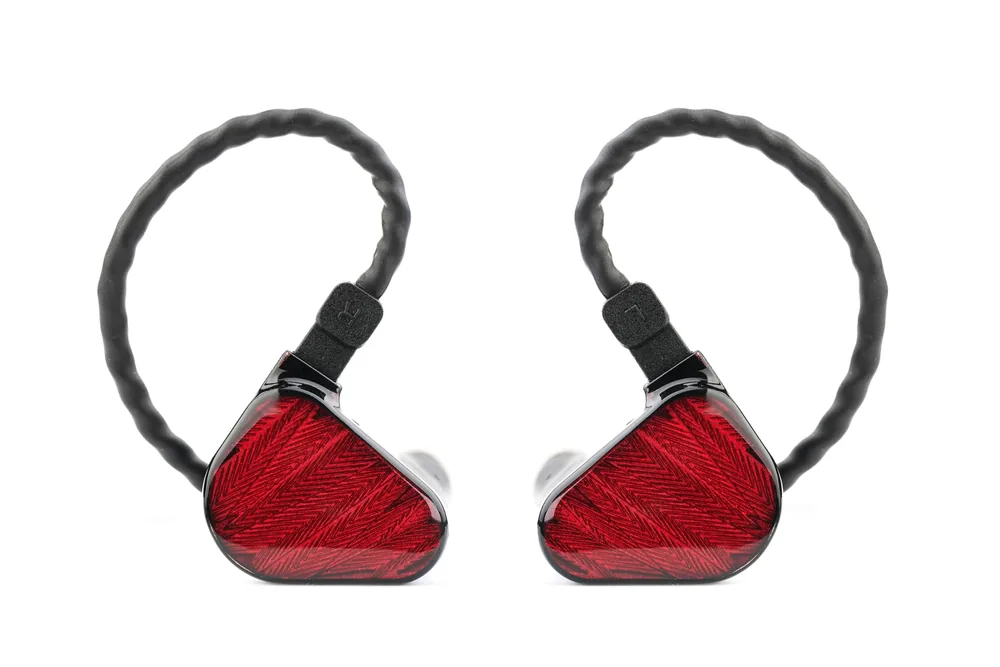
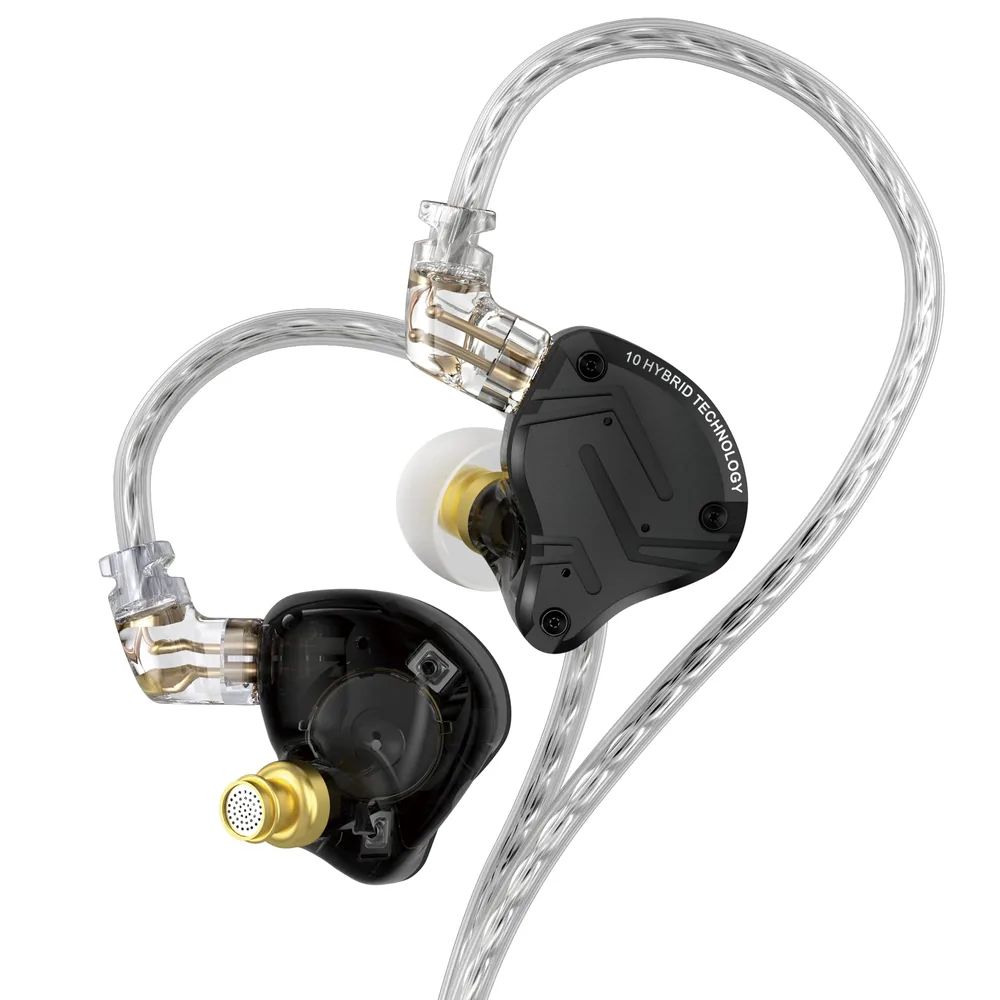
Crinacle is one of the reference measurers in personal audio: he publishes frequency-response curves for hundreds of headphones. An IEM co-developed with him starts from a target curve justified with data rather than from whatever sounds flashy in a shop demo. That's why this model became the default recommendation at its price.
Passive isolation: the competitive advantage nobody mentions
An in-ear seals the ear canal, so it isolates far more than any closed cup. At a LAN or in a noisy house, that means hearing footsteps that an open or semi-open headset loses. It's the reason a good share of professional CS players compete with IEMs under a pair of isolating earmuffs.
Dual dynamic drivers instead of a hybrid
Two dynamic drivers, 10 and 7.8 mm, instead of mixing a dynamic with balanced armatures. The advantage is coherence: the two driver types have different response times and marrying them well is hard and expensive. With two well-integrated dynamics the result is more homogeneous, which is exactly what you want for locating sounds.
Editor's rating
Precision9/10
Response speed9/10
Ergonomics7/10
Build quality7/10
Value for money10/10
Scores from 0 to 10 assigned by our editors from the spec sheet and compared within each category. These aren't manufacturer figures: they're our judgement. You can read the method in how we choose.
Full spec sheet
Audio
Driver diameter
10 mm
Driver type
Dual dynamic driver (10 mm + 7.8 mm)
Frequency response
20 Hz - 40.5 kHz
Impedance
17.5 Ω
Sensitivity
—
Spatial audio
—
Latency & connectivity
Connectivity
Cable with a 3.5 mm jack
Wireless technology
—
Battery life
—
Wireless range
—
Microphone & comfort
Microphone
No microphone included
Weight
—
Earpads
Interchangeable silicone tips
Chassis
DLP 3D-printed cavity
Other
Warranty
1 years
Other listing details
Careful, this isn't a headset
It's an in-ear monitor with no microphone: to talk you'll need a separate mic, desk or cable-mounted
Tuning
Curve developed with Crinacle, one of the sector's reference measurers
Drivers
Liquid-crystal diaphragm with an N52 rubidium magnet and a dual cavity
Manufacturing
DLP 3D-printed cavity, a technique usually reserved for high-end IEMs
Fields with no data show as “—”: it means neither Amazon nor the manufacturer publishes that figure. We'd rather leave it empty than estimate it.
How it performs by game type
Tactical shooters
Valorant · CS2
9/10
It's the most serious audio option on the list under 70 dollars, with treble detail — where footsteps live — that no headset at this price reaches, and with far better isolation. The catch is big: no microphone, so you need a separate one to communicate.
Mechanical speed and precision
Rocket League
8/10
It sounds very good and isolates, though in a game where audio is secondary the argument counts for less. How comfortable an in-ear is over hours depends a lot on your ears and the tips you use.
High click-rate PvP
Minecraft
8/10
Excellent sound quality for long sessions, and very light. Since it has no microphone, if you play on a server with voice chat you'll have to solve that elsewhere.
Mixed competitive play
Roblox
7/10
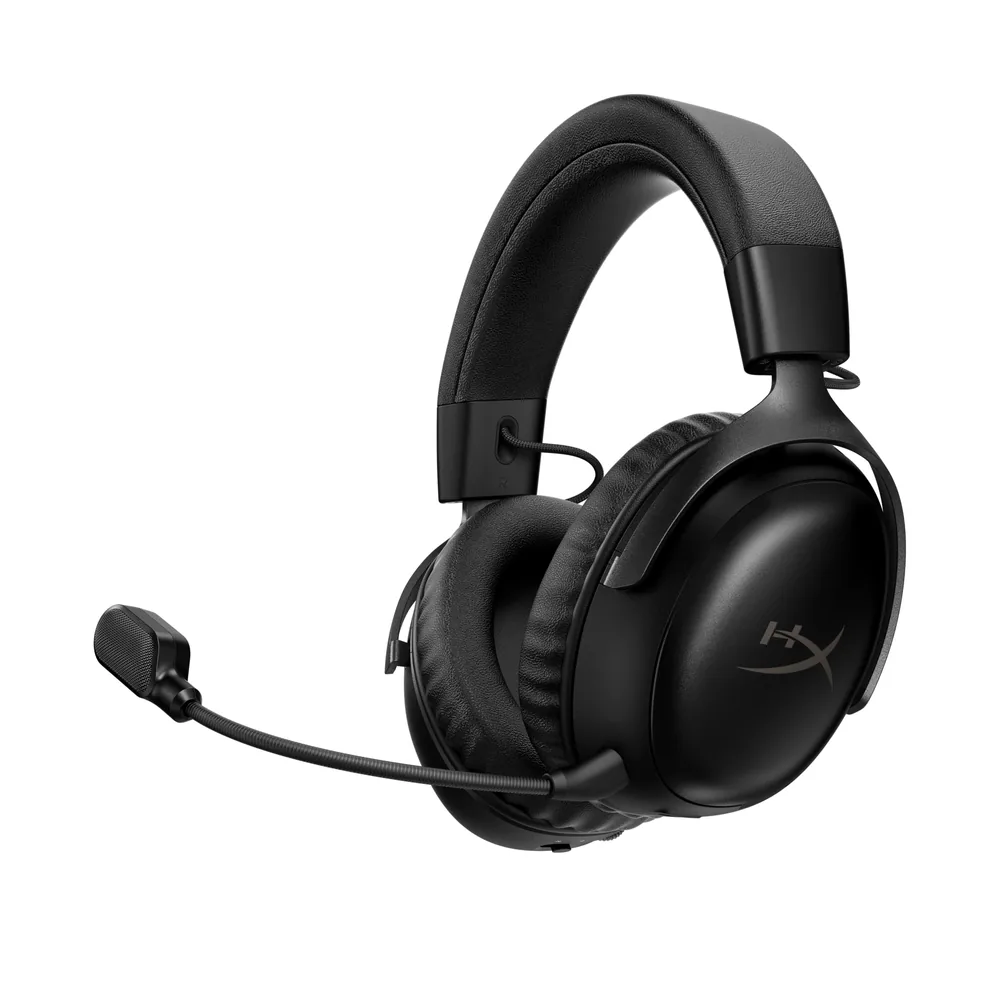
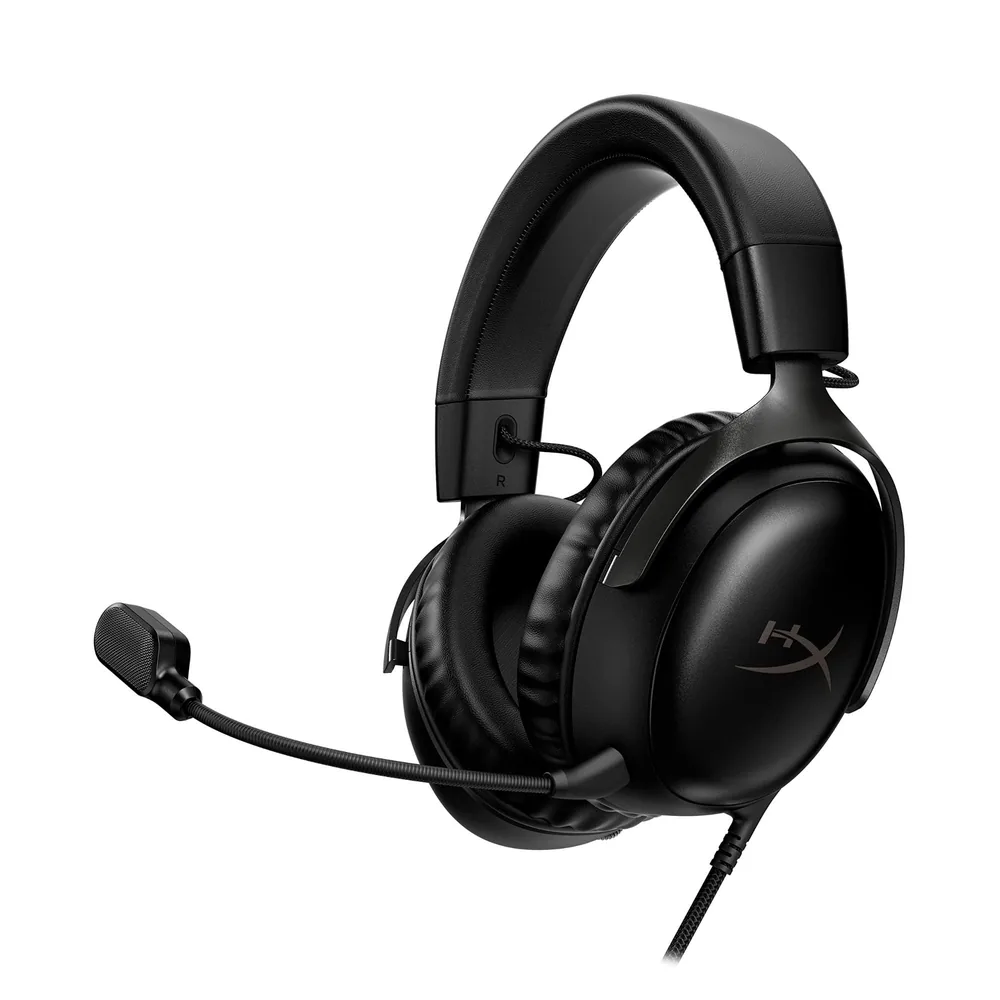
Good sound, but for Roblox, where voice chat is the norm, a mic-less IEM complicates more than it adds. A Cloud III is more practical for that use.
Pros, cons and who it's for
Strengths
Response curve developed with Crinacle, with measurement rigour behind it
Passive isolation far above any headset on the list
Coherent dual dynamic drivers, with no mixed technologies
Detachable copper-plated silver cable
1,625 reviews at a 4.3 average: a solid base for a niche product
Weaknesses
No microphone: on its own it can't handle team comms
In-ear comfort depends heavily on each person's ears
No wireless and no spatial audio
One-year warranty
Ideal for: Someone who wants the best sound and isolation under 70 dollars and already has a separate microphone.
It has 1,625 reviews at a 4.3 average, a very solid base for a niche product. What usually recurs in this model's opinions is that it delivers a level of sound you don't expect at the price; the standard complaint with any IEM is the fit in your ear, which is personal.
Reviews reproduced from the product page on Amazon on the capture date (September 21, 2026). We haven't edited or translated them: they're what the listing itself shows.